SDGS ULM

About SDGs

What is Sustainable Development Goals (SDGs)

Screen-Shot-2019-11-08-at-14.21.52

September 25, 2015 at the United Nations Headquarters (UN), world leaders formally endorse the Sustainable Development Goals Agenda as a global development agreement. Approximately 193 heads of state attended, including Indonesian Vice President Jusuf Kalla also ratified the SDGs Agenda.

With the theme “Changing Our World: Agenda 2030 for Sustainable Development”, the SDGs which contain 17 Goals and 169 Targets are global action plans for the next 15 years (effective from 2016 to 2030), to end poverty, reduce inequality and protect the environment. SDGs apply to all countries (universal), so that all countries without exception developed countries have a moral obligation to achieve the goals and targets of the SDGs.

SDGs Are Participatory Designed

Different from its predecessor the Millennium Development Goals (MDGs), SDGs are designed to involve all development actors, be it the Government, Civil Society Organizations (CSOs), the private sector, academics, and so on. Approximately 8.5 million citizens’ votes worldwide also contribute to the SDGs Goals and Targets.

Leave No One (Leave No One Behind)

Not Leaving Anyone is a key principle of the SDGs. With these principles SDGs must at least be able to answer two things, procedural justice, namely the extent to which all parties, especially those who have been left behind, can be involved in the entire development process and substantive justice, namely the extent to which development policies and programs can or are able to answer the problems of citizens, especially groups left behind.
Learn more about Sustainable Development Goals (SDGs)

Have you explored all 17 goals?

Watch the video from the United Nations in Indonesia to learn more!

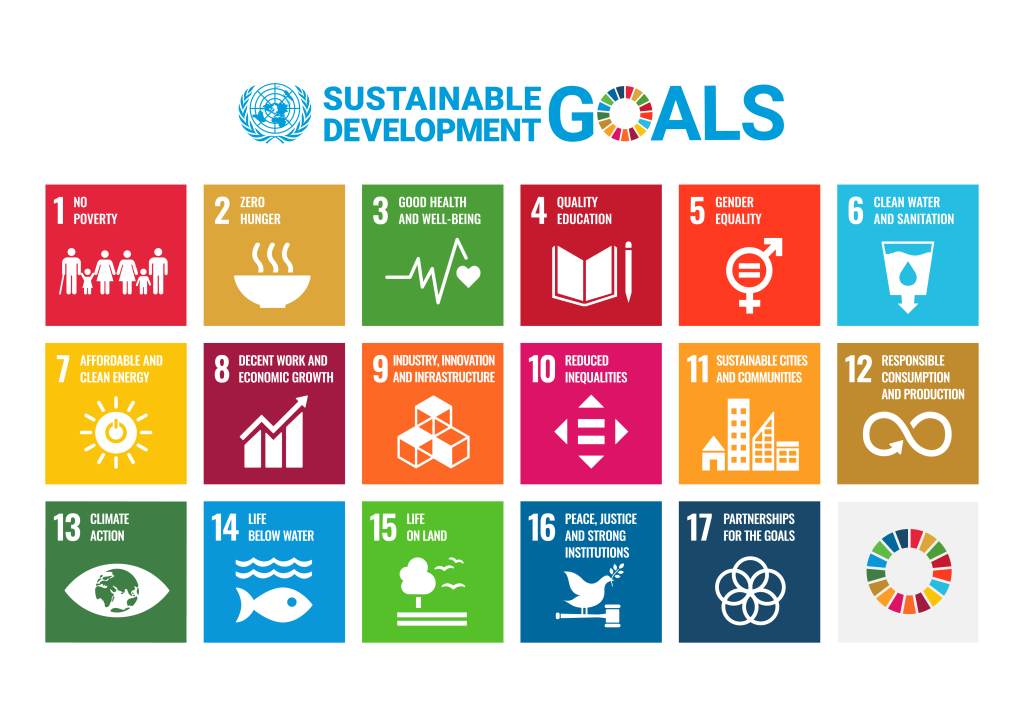
E_SDG_poster_UN_emblem_WEB 2020

No Poverty

End poverty in all its forms everywhere

Zero Hunger

End hunger, achieve food security, and promote sustainable agriculture.

Good Health and Well-being

Ensure healthy lives and promote well-being for all.

Quality Education

Ensure inclusive and equitable education and lifelong learning.

Gender Equality

Achieve gender equality and empower all women and girls.

Clean Water and Sanitation

Ensure availability and sustainable management of water and sanitation.

Affordable and Clean Energy

Ensure access to affordable, reliable, sustainable energy.

Decent Work and Economic Growth

Promote sustained, inclusive economic growth and decent work.

Industry, Innovation and Infrastructure

Build resilient infrastructure and foster innovation.

Reduced Inequalities

Reduce inequality within and among countries.

Sustainable Cities and Communities

Make cities inclusive, safe, resilient, and sustainable.

Responsible Consumption and Production

Ensure sustainable consumption and production patterns.

Climate Action

Take urgent action to combat climate change.

Life Below Water

Conserve oceans and marine resources.

Life on Land

Protect ecosystems, forests, and biodiversity.

Peace, Justice, and Strong Institutions

Promote peaceful societies and build accountable institutions.

Partneships for the Goals

Strengthen global partnerships to achieve the goals.