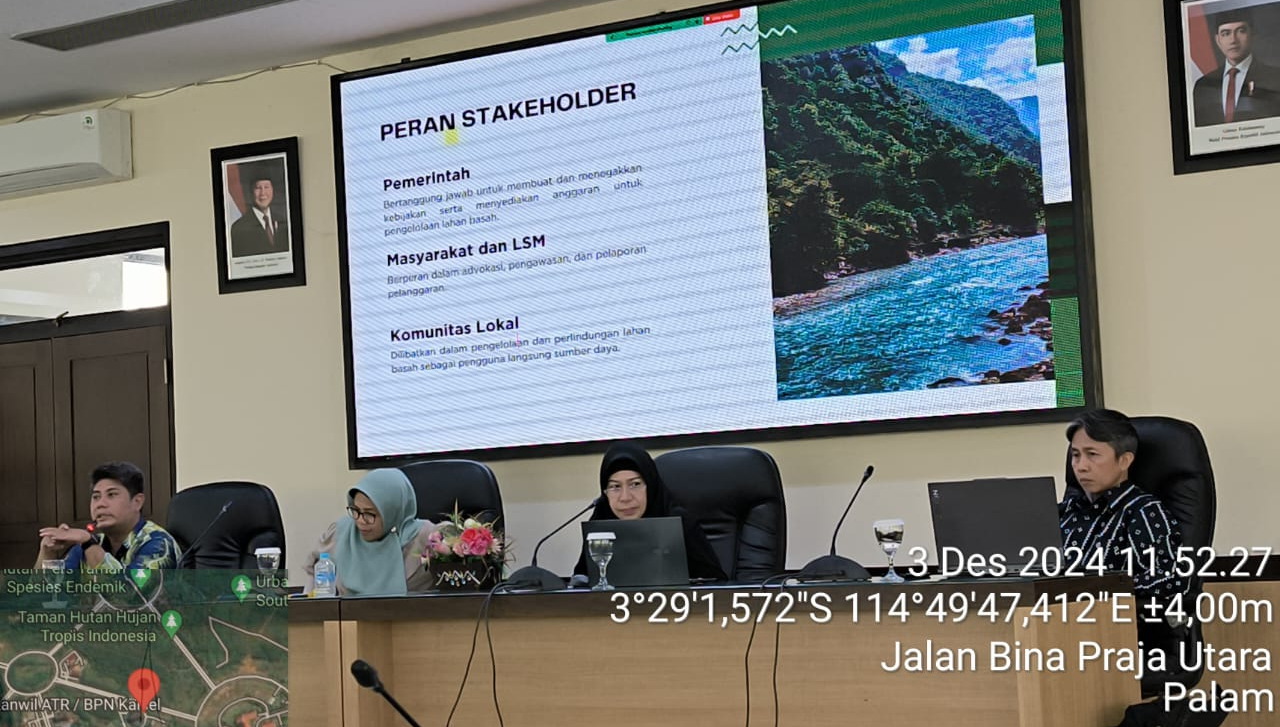
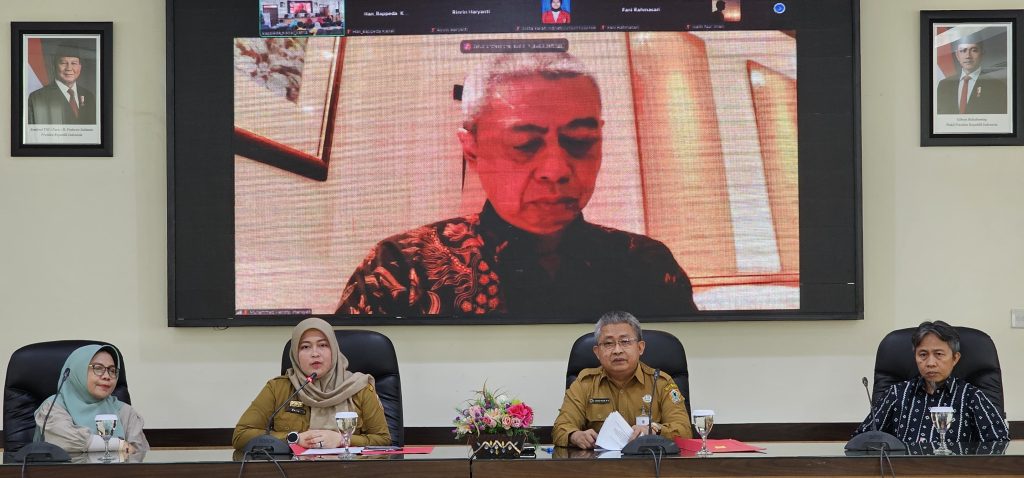
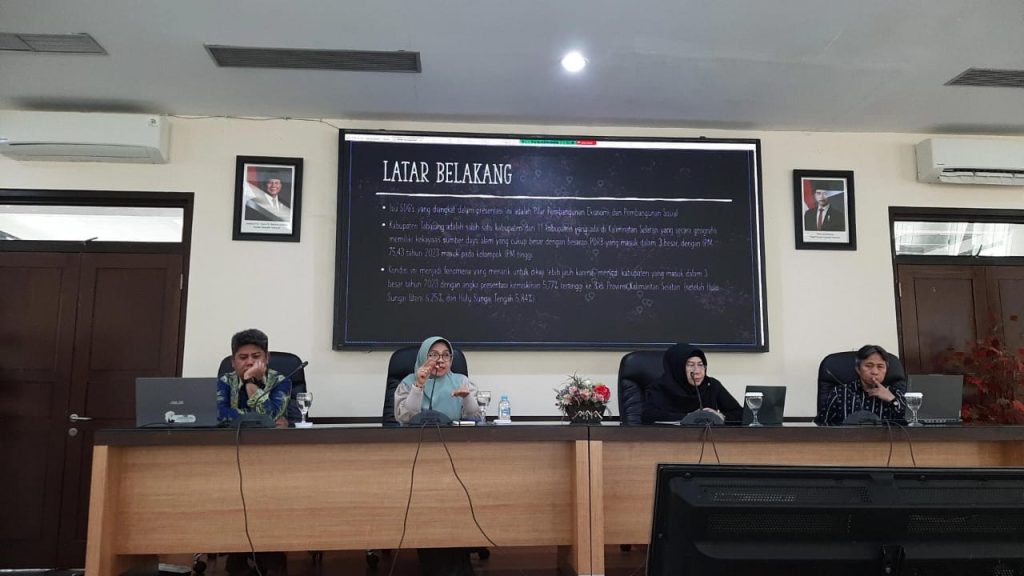
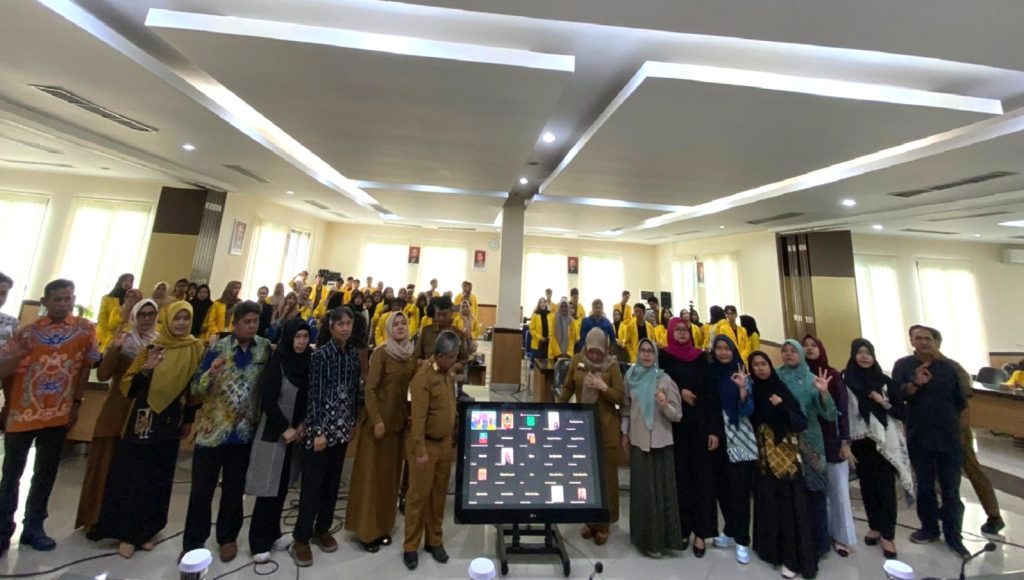
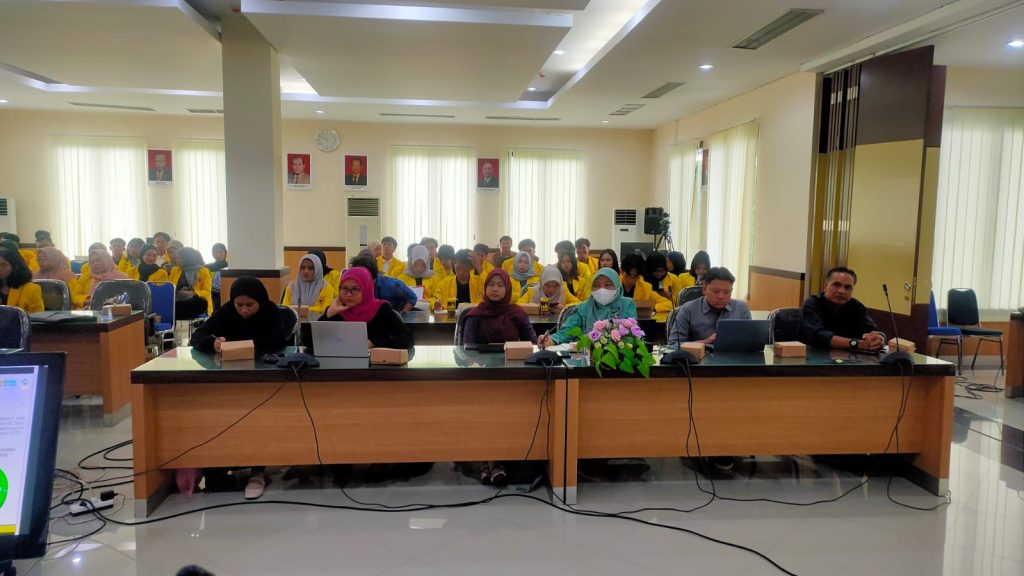
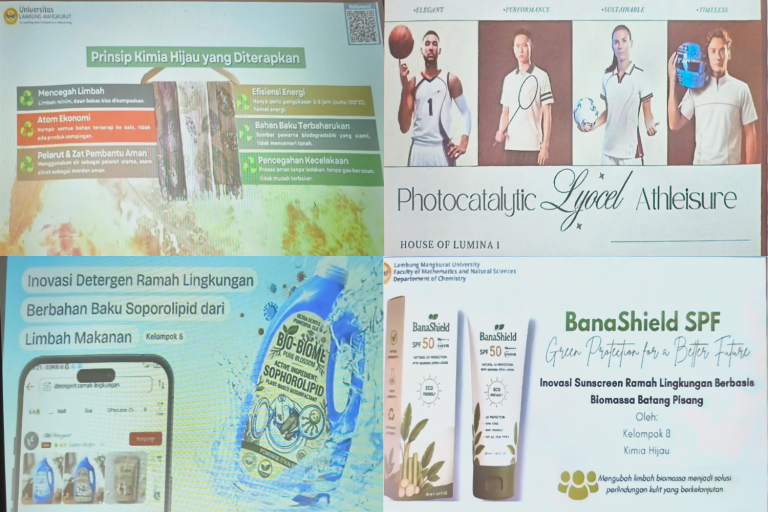
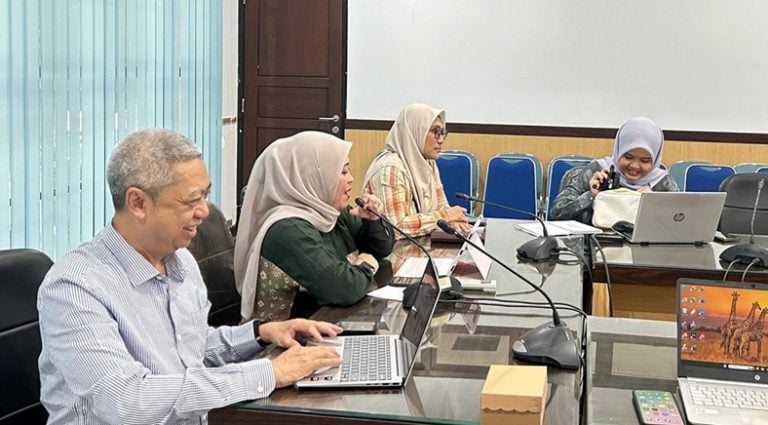
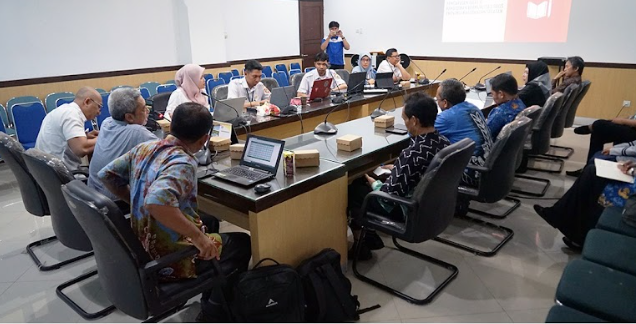
On December 2, 2024, the Provincial BAPPEDA of South Kalimantan, in collaboration with the SDGs Center of Lambung Mangkurat University, held a Public Lecture themed “The Importance of Concrete Actions by the Academic Community in Supporting TPB/SDGs in South Kalimantan.” The event took place at the office of the Provincial BAPPEDA of South Kalimantan and was attended by the academic community, government officials, and representatives from communities concerned with sustainable development. This activity is part of a collaborative effort to strengthen the understanding and strategic roles of all parties in achieving sustainable development goals at the local level.
In the material session, the speakers presented a variety of topics that complemented each other. Dr. Ichsan Ridwan discussed the Role of Academics in Supporting the Achievement of TPB/SDGs, while Dr. Rizmi Yunita highlighted the utilization of rat’s tail plants as an environmentally friendly raw material for handicrafts and ecotourism. Dr. Muzdalifah raised the issue of poverty in Tabalong Regency through a gender approach, while Daddy Fahmanadie, S.H.,LL.M discussed legal aspects and governance in wetland management.
The panel discussion emphasized that achieving the SDGs requires a holistic approach involving innovation, social justice, and good governance. One key point agreed upon is the necessity of wisely utilizing local potential, empowering vulnerable groups such as women, and strengthening regulatory aspects for the sustainability of environmental management. Cross-sector synergy among the government, academia, the private sector, and the community is seen as the key to generating effective policies and programs.
As a result of this activity, participants gained a deeper understanding of the connection between their roles and the implementation of the SDGs in South Kalimantan. Several concrete action plans were also formulated, such as community-based environmental education programs, renewable energy research, and women’s empowerment initiatives. With this activity, it is hoped that South Kalimantan can continue to move towards sustainable, inclusive, and adaptive development in the face of future challenges.